
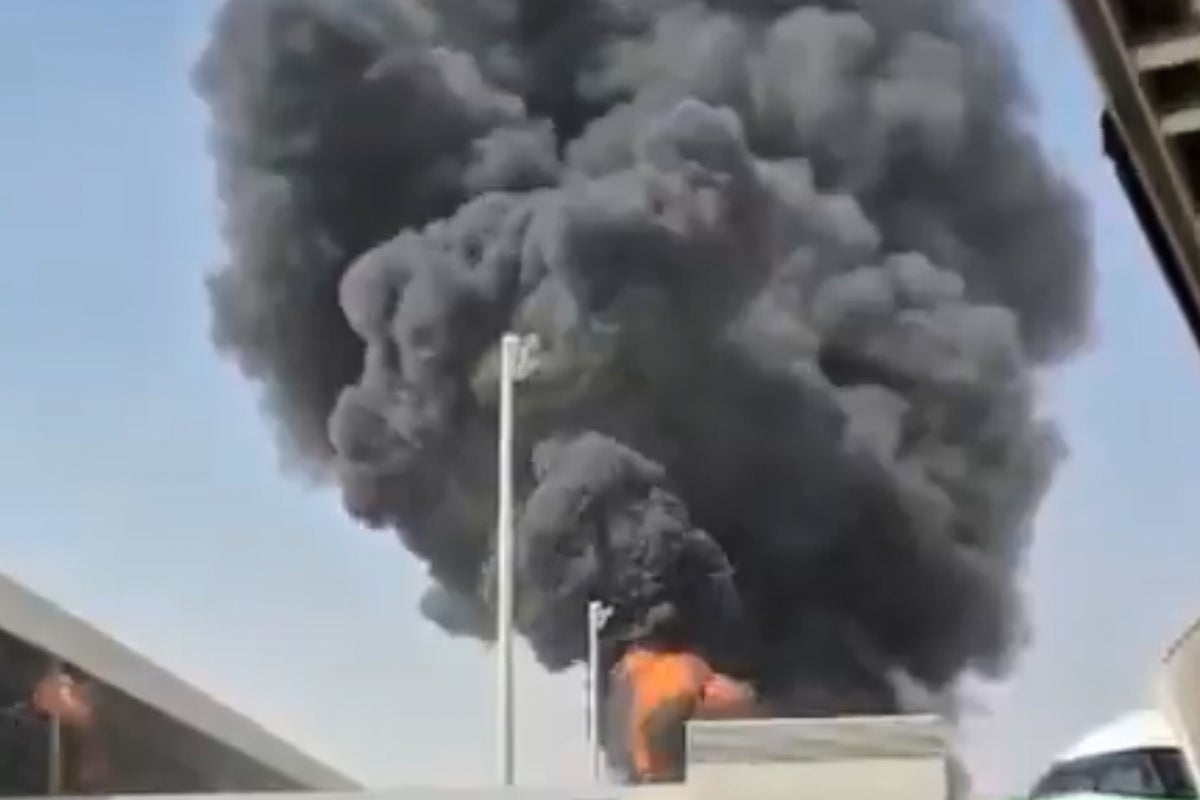
Houthi forces have warned airlines and passengers not to use Riyadh’s King Khalid International airport after at least 12 people were killed and over 300 injured in a strike on Saturday.
It was the deadliest such attack in the kingdom in more than a decade and comes amid an escalation of fighting between the Iran-backed Houthis and Saudi-backed Yemeni government forces.
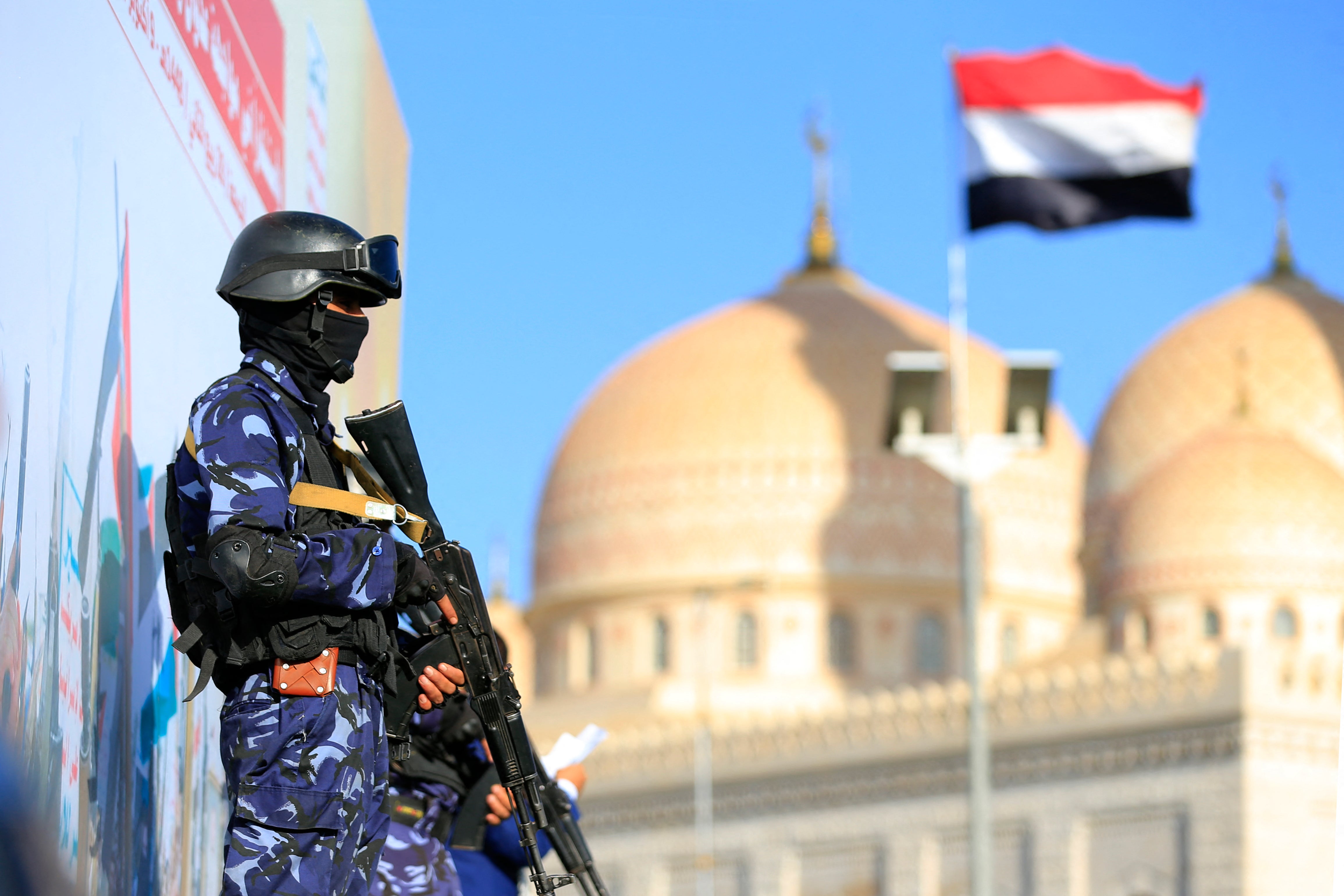
"We renew our warning to all airlines, experts, employees, workers and travellers against using Saudi airports and airspace, as they are vulnerable to attack and have become a theatre of operations for our forces, with the exception of the airports in (the holy cities of) Mecca and Medina," the Houthis said in a post on X.
“We urge everyone to take our warnings seriously, and Saudi Arabia bears responsibility for any failed interceptions,” they said. A Saudi-led coalition reported on Sunday that further attacks had been launched against the airport, causing further injuries.
The dramatic escalation comes after President Donald Trump said on Saturday the US “may” join Saudi strikes on Yemen’s Houthi forces after at least 18 people were killed in airport attacks over recent days.
“We may. We’re going to look at it,” the US president told reporters on Saturday. “We just found out about the recent attack. So we’ll make a decision. We move very quickly.”
UK defence secretary Wes Streeting told the BBC that Britain could “potentially” increase its support to Saudi Arabia following the attack on Saturday night. The UK previously said it would support its ally with air-to-air refuelling.
The Saudi civil aviation authority confirmed Saturday’s casualties, saying four Saudis, two Bangladeshis and a person each from the US, Jordan, Palestine, Syria, Sudan, and Egypt were killed.
At the latest count, officials said 309 people were injured.
Hospitals were overwhelmed with casualties brought in by ambulance and helicopter, according to people briefed on the situation. Some of the injured were reported to be in critical condition.
The Houthis later on Sunday formally claimed responsibility for the attack in a televised speech, adding that they had struck Aramco sites in Saudi Arabia’s eastern province.
The airport strike came without warning, as no alert was issued by Saudi Arabia's threat warning system. Two earlier attacks this week targeting King Khalid international airport left four people dead and severely damaged a Saudi commercial aircraft parked on the tarmac.
The fatal strikes highlight vulnerabilities in the country’s defence capabilities while it conducts an air campaign against the Houthis in Yemen. A Saudi-led military coalition promised to retaliate.
Saudi Arabia and the Yemeni forces backed by it claim to have launched hundreds of strikes against targets in Houthi areas in recent weeks. The Houthis say the air raids have killed civilians, including women and children.
The Saudi civil aviation authority said operations at the Riyadh airport were temporarily suspended on Saturday and all flights were diverted. The airport serves a city of about eight million.
In the US, secretary of state Marco Rubio condemned the raids, saying they "demonstrate a blatant disregard for innocent civilian life”.
An eyewitness at the airport on Saturday reported seeing an explosion and then several casualties lying injured on the ground inside the facility. More than a dozen ambulances were seen heading towards the building, with video verified by Reuters showing emergency vehicles at the scene.
An injured passenger told Reuters they saw an object flying through the sky outside the terminal before part of the ceiling collapsed near a departure gate.
Saudi Arabia entered the Yemen war in 2015, leading an Arab coalition to attempt to drive the Houthis from the capital Sanaa after the rebels had seized the city the previous year.
The war resulted in a devastating stalemate, with hundreds of thousands of Yemenis killed by fighting and starvation.
Saudi Arabia subsequently signed a 2022 agreement with the Houthis, freezing the conflict.
That ceasefire unravelled over the summer, culminating in a rapid Houthi advance that seized the Red Sea chokepoint of Bab el Mandeb from Saudi-backed forces. The Saudi-supported forces launched a new offensive this week to reclaim that territory, making slow progress even as Houthi forces placed Taiz, the country's third-largest city, under siege.
Flight-tracking service flightradar24 showed that all incoming flights to Riyadh were redirected or cancelled, with only a helicopter hovering over the airport at one stage.
Houthi strikes earlier in the week had already driven several airlines to suspend or cancel flights to the Saudi capital, shortly before it was scheduled to host major energy and investment conferences.
Organisers of those events stated prior to Saturday's attack that they would proceed as planned.